

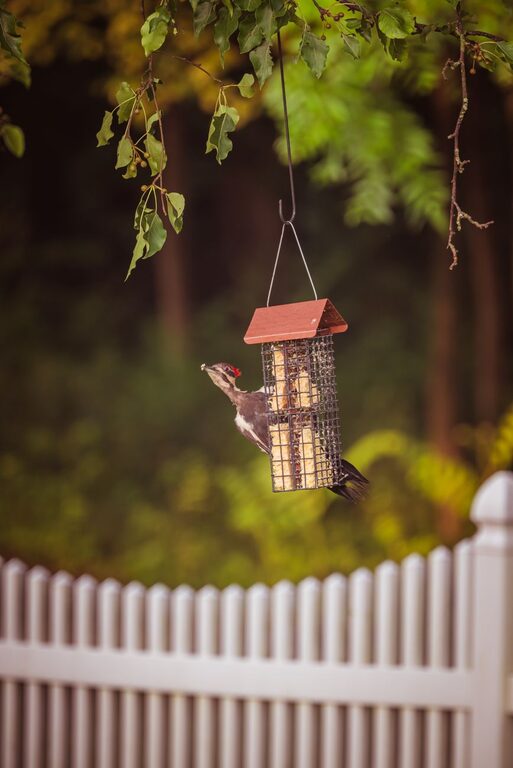
Backyard birdwatching is an easy and enjoyable way to spend more time outdoors. You do not need expensive equipment, a large yard, or expert knowledge to get started. Even a balcony, patio, or sunny window can become a useful place for watching local birds.
With a few simple supplies and some patience, you can begin noticing bird behavior, learning common species, and creating a welcoming space for feathered visitors.
Choose a Good Viewing Spot
Start by selecting a comfortable place where you can see birds without disturbing them. A window with a view of trees, shrubs, or open ground can work well. If possible, choose a spot where you can sit quietly for several minutes at a time.
Keep these points in mind:
– Pick a location with a clear view.
– Avoid areas with constant foot traffic or loud noise.
– Sit near natural cover, such as bushes or trees.
– Watch from a shaded area when possible to reduce glare.
– Keep your movements slow and quiet.
Birds may take time to become comfortable around a new observer. If you remain still, they will often return to their normal activities.
Start With Basic Equipment
You can begin birdwatching with nothing more than your eyes and ears. However, a few simple tools can make the experience easier.
Binoculars
A pair of binoculars helps you see details from a distance without approaching the bird. For beginners, compact binoculars with moderate magnification are usually comfortable and easy to use. Try several pairs if possible to find one that feels balanced and provides a clear view.
Avoid rushing to buy the most powerful option. Very high magnification can make birds harder to follow because even small movements may cause them to disappear from view.
Field Guide or Birding App
A field guide can help you compare bird shapes, colors, markings, and habitats. A birding app may also include photographs, range maps, and bird songs.
Choose a resource that covers birds in your region. A guide focused on local species is often more useful than a large book covering every bird in the world.
Notebook
Keeping notes is one of the best ways to improve. Record:
– Date and time
– Weather conditions
– Location
– Bird size and colors
– Behavior
– Sounds
– Where the bird was seen
You can also make quick sketches. The goal is not artistic quality. Drawing a bird’s shape can help you remember important details, such as the length of its tail or the shape of its bill.
Make Your Yard Bird-Friendly
Birds need food, water, shelter, and safe places to raise young. You can support them by adding natural features to your outdoor space.
Add Native Plants
Native plants are often well suited to local weather and provide food or cover for birds. Trees, shrubs, grasses, and flowers can offer seeds, berries, insects, and nesting locations.
Consider using a mix of plants with different heights. Low plants provide ground cover, while shrubs and trees create places for birds to rest and hide. Plants that produce seeds or berries can attract a variety of species throughout the year.
Before planting, learn which species grow well in your area. Local garden centers, nature groups, and extension services may offer useful suggestions.
Provide Clean Water
A shallow birdbath can attract birds that do not visit feeders. Place it where birds have a clear view of the surrounding area and nearby branches for perching.
Change the water regularly and clean the container often. Fresh water helps reduce the buildup of dirt and algae. In cold weather, check the water frequently to ensure it remains usable.
Offer Shelter
Dense shrubs, brush piles, and evergreen plants can give birds protection from wind and predators. Leave some natural areas in your yard instead of keeping every section closely trimmed.
When possible, avoid disturbing nests or active nesting areas. Watch from a distance and let birds choose where they feel safest.
Use Feeders Carefully
Bird feeders can bring birds close to your home, making them easier to observe. Different feeder styles attract different species. Tube feeders may suit small seed-eating birds, while platform feeders can serve larger birds.
Use these basic feeder habits:
– Keep feeders clean and dry.
– Store seed in a sealed container.
– Replace damp or spoiled food.
– Place feeders where birds have nearby cover but a clear view.
– Clean up spilled seed regularly.
– Follow local guidance about feeding wildlife.
Sunflower seeds are a popular choice for many backyard birds. Some birds prefer smaller seeds, fruit, or suet. Begin with one feeder and learn which birds visit before adding more.
Feeders are helpful, but they are not a replacement for natural habitat. Plants, clean water, and shelter can support birds throughout the year.
Learn to Identify Birds
Bird identification becomes easier when you focus on several features instead of one color. Lighting can change how a bird looks, and young birds may have different markings from adults.
Look for:
Size and Shape
Compare the bird with something familiar, such as a sparrow, robin, or crow. Notice whether its body is round, slender, long-tailed, or short-tailed.
Bill
The bill can reveal what a bird eats. Thick, strong bills are common among seed eaters, while slender bills may belong to birds that catch insects or drink nectar.
Color and Markings
Look for stripes, spots, eye rings, wing bars, and patches on the chest or tail. Pay attention to the pattern rather than relying only on the main body color.
Behavior
Ask what the bird is doing. Is it hopping on the ground, climbing a tree trunk, hovering near flowers, or swimming? Behavior often helps distinguish between similar-looking species.
Sound
Bird calls can help you locate birds hidden in trees or bushes. Start by learning the common sounds in your neighborhood. You do not need to memorize every song at once. Focus on one or two species at a time.
Practice Patient Observation
Birdwatching rewards patience. Instead of scanning quickly and moving on, spend several minutes observing one area. Birds may appear only after the yard becomes quiet.
Early morning is often a productive time because many birds are active and vocal. However, different species follow different schedules, so try watching at various times of day.
Move slowly when you need to adjust your position. Raise binoculars gradually, avoid sudden gestures, and keep conversations quiet. If a bird flies away, wait a few minutes. It may return once the area feels calm again.
Follow Safe and Respectful Habits
Good birdwatching protects both birds and their habitat. Keep a reasonable distance from nests, feeding areas, and young birds. Do not play recorded bird sounds repeatedly to attract attention, especially during nesting season.
Keep cats indoors or use a secure outdoor enclosure. Clean feeders and birdbaths regularly, and remove any equipment that becomes difficult to maintain.
If you visit a park or nature area, stay on marked paths and follow posted rules. Leave plants, feathers, nests, and other natural items where you find them.
Set Simple Goals
You do not need to identify dozens of species right away. Set small goals that make learning enjoyable:
– Identify five common birds.
– Keep a weekly observation list.
– Learn one new bird call.
– Photograph a bird from a respectful distance.
– Visit a local park with a different habitat.
– Compare the birds seen in different seasons.
Over time, you will begin to recognize patterns. You may notice which birds arrive at sunrise, which species prefer certain plants, and how bird activity changes with the weather.
Backyard birdwatching is a flexible hobby that can grow with your interests. Start with a quiet viewing spot, basic tools, and a willingness to observe. The more often you look and listen, the more familiar your local bird community will become.