

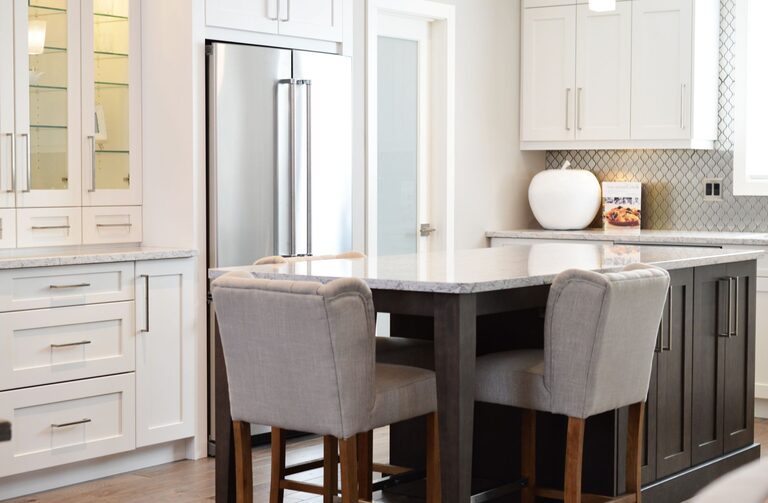
A clutter-free kitchen counter can make the entire room feel cleaner, calmer, and easier to use. When appliances, mail, dishes, and food containers pile up, even a spacious kitchen can feel cramped. The good news is that you do not need a complete remodel to create more open counter space. A few simple decisions and daily habits can make a noticeable difference.
The goal is not to remove everything from your counters. Instead, aim to keep only the items you use often and give everything else a practical home.
Start With a Quick Counter Reset
Before choosing storage solutions, clear the counters completely. This gives you a fresh view of the space and helps you see how much you actually have.
Place everything into three groups:
– Items used every day
– Items used occasionally
– Items that do not belong in the kitchen
Return the daily items only after considering whether they truly need to remain on the counter. For example, a coffee maker may be convenient to leave out, while a rarely used blender may fit better in a cabinet.
Move occasional items into cabinets, drawers, or a pantry. Return misplaced items to their proper rooms. If you find objects you no longer use, set them aside for donation, recycling, or disposal.
Avoid trying to organize every cabinet during this first step. Focus on creating a clear surface and identifying the main sources of clutter.
Decide What Deserves Counter Space
Counter space is limited, so use it for items that support your daily routine. A helpful rule is to keep an item out only if you use it frequently and it is difficult to store elsewhere.
Keep Frequently Used Items Nearby
Some items are more convenient when they are easy to reach, such as:
– A coffee maker used each morning
– A knife block used during daily meal preparation
– A toaster used several times a week
– A fruit bowl that encourages healthy snacks
– A small container for cooking utensils
Group these items in a way that leaves room for food preparation. Keep cooking tools near the area where you use them, and place breakfast appliances together if that suits your routine.
Store Occasional Appliances
Large appliances often take up valuable space even when they are used only once or twice a month. Store items such as mixers, slow cookers, bread makers, and specialty gadgets in a cabinet, pantry, or sturdy shelving area.
If an appliance is difficult to lift, place it on a lower shelf or use a rolling cart. The best storage location is one that is easy enough to use without creating a new obstacle.
Create a Home for Common Clutter
Many counter items are not difficult to organize; they simply lack a designated location. Give frequently misplaced objects a clear home.
Use a Mail Station
Mail, receipts, and papers can quickly cover a counter. Choose one location for incoming mail, such as a wall pocket, basket, or small file holder. Sort papers regularly instead of allowing them to accumulate.
A simple system can include:
– A place for unopened mail
– A folder for papers that need action
– A recycling container for unwanted items
Keep the mail station away from the main food preparation area if possible. This helps separate paperwork from cooking and cleaning tasks.
Add a Small Drop Zone
Keys, sunglasses, reusable bags, and other everyday items often land on kitchen counters. A tray, bowl, or wall organizer near the kitchen entrance can keep these items together.
Choose a container that is large enough for daily essentials but not so large that it becomes an invitation to collect clutter. Empty it regularly and return items to their proper locations.
Contain Small Items
Spices, oils, pet supplies, and cooking tools can look messy when spread across the counter. Group similar items on a tray or in a basket. This keeps them together and makes cleaning easier because you can move several items at once.
For example, place everyday oils and seasonings on a washable tray near the stove. Store less-used seasonings in a cabinet or drawer.
Make Cabinets and Drawers Work Better
Cluttered counters are often a sign that the storage inside cabinets is not being used efficiently. You may not need more storage; you may need easier access to the storage you already have.
Use Vertical Space
Shelf risers can create a second level inside cabinets for plates, bowls, and cups. A narrow rack can hold baking sheets or cutting boards upright rather than stacked.
Vertical storage makes items easier to see and remove. When everything is visible, you are less likely to leave items out simply because putting them away feels inconvenient.
Organize Drawers by Task
Instead of placing similar items wherever they fit, organize drawers based on how you use them. Keep cooking utensils near the stove, food storage items near the refrigerator, and measuring tools near baking supplies.
Drawer dividers can prevent tools from shifting and make it easier to return each item to its place. Keep the most frequently used items toward the front.
Use Cabinet Doors
The inside of a cabinet door can hold lightweight items such as measuring spoons, pot lids, cleaning cloths, or a small shopping list pad. Use adhesive hooks or door-mounted organizers that fit securely and do not interfere with the cabinet shelves.
Check the door before adding anything to make sure it closes properly.
Manage Cords and Charging Devices
Appliance cords can make a clean counter look untidy. Keep cords short and controlled with reusable ties or cord clips. If an appliance stays on the counter, guide its cord along the back edge rather than allowing it to cross the work surface.
Avoid using the kitchen counter as a general charging station unless it is a planned part of the space. A small charging area in another room can prevent phones, tablets, and cables from collecting near food and appliances.
Keep Cleaning Supplies Under Control
Sponges, brushes, soap, and cloths are useful, but they can make the sink area look crowded. Use a small caddy or sink organizer to keep these supplies together.
Allow cloths to dry properly instead of leaving them in a heap. Store extra sponges, gloves, and cleaning products under the sink or in a nearby cabinet. Check supplies occasionally and discard worn-out items.
A clear sink area also makes it easier to wipe down counters at the end of the day.
Establish a Five Minute Evening Routine
A short daily reset is one of the easiest ways to maintain clutter-free counters. At the end of the day, set a timer for five minutes and complete a few basic tasks:
- Return appliances and tools to their homes.
- Put away food and ingredients.
- Move mail and personal items to their drop zones.
- Load or wash dishes.
- Wipe the counters and sink area.
This routine prevents small messes from becoming overwhelming. If other household members use the kitchen, invite them to return their own items as part of the reset.
Protect Your Clear Space
Once your counters are organized, be careful about what you bring back. Before leaving a new appliance, decoration, or container on the counter, ask:
– Do I use this often?
– Is there a better place to store it?
– Does it make cooking or cleaning easier?
– Can I remove something else if I keep it here?
Use the one in, one out approach for items that take up significant space. If a new appliance comes into the kitchen, consider storing or donating an older item that serves the same purpose.
A clutter-free kitchen counter is not about creating a perfect room. It is about making the space support the way you live. By limiting daily items, improving storage, and following a quick evening reset, you can keep your counters open, useful, and easier to clean.