

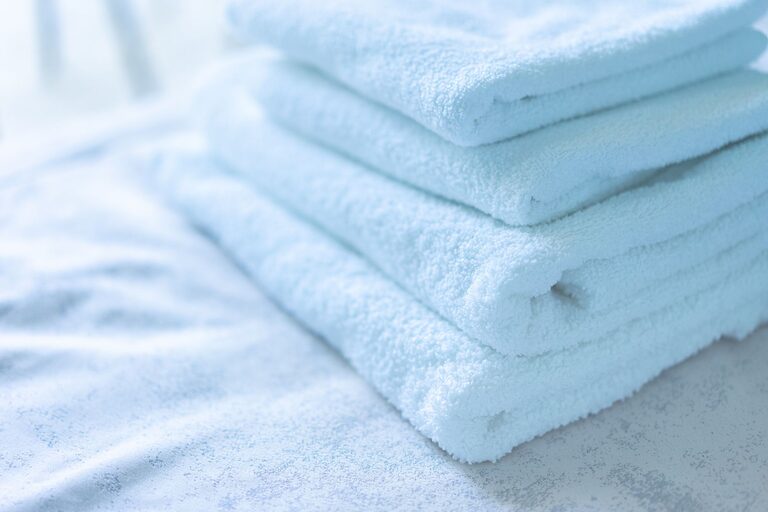
Towels work hard every day, absorbing water, skin oils, soap, and moisture. Without the right care, they can develop a musty smell, feel rough, or lose their ability to absorb water. The good news is that a few simple laundry and storage habits can help keep towels fresh, soft, and fluffy.
Wash Towels Separately
Whenever possible, wash towels in a separate load. Towels produce lint, especially when they are new, and they can also trap lint from other fabrics. Washing them separately helps protect clothing and makes it easier to choose the right cycle.
Avoid washing towels with items that have zippers, hooks, or rough surfaces. These can catch on towel loops and cause pulls. Heavy towels may also be too rough for delicate clothing.
Try to group towels by color. White towels can be washed together, while dark and bright towels should be separated to reduce the chance of color transfer.
Do Not Overload the Washer
Towels need plenty of room to move through the water. If the washer is too full, detergent and water may not reach every part of the fabric. This can leave behind soap residue, body oils, and odors.
Fill the drum loosely rather than packing towels tightly. A well-balanced load usually cleans more effectively and rinses more thoroughly. If the towels are pressed firmly against the sides of the drum, it is time to divide the load.
For larger bath towels, washing a smaller load may provide better results than trying to clean everything at once.
Use the Right Amount of Detergent
More detergent does not always mean cleaner towels. Excess detergent can build up in the fibers, making towels feel stiff and less absorbent. It may also trap odors over time.
Follow the instructions on your detergent label and adjust the amount based on the size of the load and the water conditions in your home. If your towels feel coated, waxy, or unusually stiff, try using a little less detergent in future washes.
Avoid using fabric softener on every load. Fabric softener can leave a coating on towel fibers, reducing absorbency. If you enjoy using it, use it sparingly or reserve it for other laundry.
Choose a Warm, Thorough Wash
Check the care label before selecting a wash temperature. In general, towels benefit from a warm wash because it helps remove body oils, soap residue, and everyday grime. Some towels may require a cooler temperature to protect their color or material.
Choose a cycle that gives the towels enough time to become fully wet and thoroughly cleaned. A quick cycle may not be enough for heavily used bath towels.
If your towels have a musty smell, run an extra rinse. This can help remove leftover detergent and other residues that may be contributing to the odor.
Avoid Too Many Towels in One Load
A towel load should contain enough items for the washer to stay balanced, but not so many that the drum is crowded. Washing too many heavy towels together can make it difficult for the washer to spin out excess water.
Towels that come out of the washer extremely wet take longer to dry and are more likely to develop a stale smell. If the machine struggles during the spin cycle, pause the load and remove a few towels.
Give New Towels a Good Start
New towels may shed lint during their first few washes. Wash them separately at first and avoid combining them with dark clothing. After a few cycles, the lint usually decreases.
New towels may also have a finish from the manufacturing process. A normal wash helps remove this finish and allows the fibers to become more absorbent.
Dry Towels Completely
Drying is just as important as washing. Remove towels from the washer soon after the cycle ends. Leaving damp towels in the drum for several hours can lead to a musty smell and may require another wash.
Shake each towel before placing it in the dryer or on a drying line. This helps separate the fibers and can reduce wrinkles.
If you use a dryer, choose a medium heat setting when the care label allows it. Very high heat can damage fibers over time and make towels feel rough. Add clean dryer balls if you use them; they can help separate towels and improve airflow.
Do not overdry towels. Once they are completely dry, remove them promptly. Extended exposure to heat can make fabric feel stiff and may shorten the life of the fibers.
Air Dry With Good Airflow
Air drying can help reduce wear from frequent dryer use. Hang towels with plenty of space between them so air can circulate on both sides. Avoid folding a damp towel over a narrow rail, where the middle may stay wet for too long.
If possible, dry towels in a sunny, well-ventilated area. Make sure they are fully dry before folding and storing them.
Keep Towels Fresh Between Washes
Good daily habits can make a noticeable difference.
– Hang towels open and flat rather than leaving them in a heap.
– Use separate towels for hands, face, and bathing when practical.
– Allow towels to dry fully between uses.
– Avoid placing damp towels on the floor, bed, or inside a laundry basket.
– Wash towels more often if they remain damp, have a strong odor, or are used after exercise.
A towel does not need to be washed after every single use if it dries completely and remains clean. However, frequent use, humid rooms, and poor ventilation can make more regular washing necessary.
Clean the Washing Machine
A washer can transfer odors to clean towels if it needs cleaning. Moisture, detergent residue, and buildup may collect around the door seal, detergent drawer, or drum.
Wipe the door seal and detergent compartment regularly. Leave the washer door or lid open after each load so the interior can dry. Run the machine’s cleaning cycle, if it has one, according to the manufacturer’s instructions.
Also check the washer filter if your model includes one. A blocked filter can affect drainage and leave laundry wetter than usual.
Store Towels Properly
Store towels only when they are completely dry. Folding damp towels can create a musty smell and may encourage mildew growth.
Keep folded towels in a dry, well-ventilated cabinet or shelf. Avoid packing them tightly, especially in humid bathrooms. If the storage area feels damp, leave the door open occasionally or improve ventilation.
For a neat, fluffy stack, fold towels loosely instead of pressing them flat. Rolling them can also save space and reduce deep creases.
Refresh Rough or Musty Towels
If towels have become rough or developed a lingering odor, start with a thorough wash and an extra rinse. Avoid adding more detergent, since residue may be part of the problem.
You can occasionally wash towels with a small amount of plain white vinegar in the rinse compartment, if allowed by your washer and towel care instructions. Never mix vinegar with bleach or other cleaning products. Vinegar should not be used at the same time as chlorine bleach.
If an odor remains after washing and drying, inspect the towel for signs of damage or mildew. Some towels may need to be replaced, particularly if the smell returns quickly despite proper care.
A Simple Towel Care Routine
For consistently fresh towels, follow this routine:
- Hang towels open after each use.
- Wash them separately from most clothing.
- Use the recommended amount of detergent.
- Avoid regular fabric softener.
- Do not overload the washer.
- Remove towels promptly after washing.
- Dry them completely before folding.
- Store them in a clean, dry, ventilated space.
With the right balance of washing, drying, and storage, towels can stay soft, absorbent, and pleasant to use for a much longer time.