

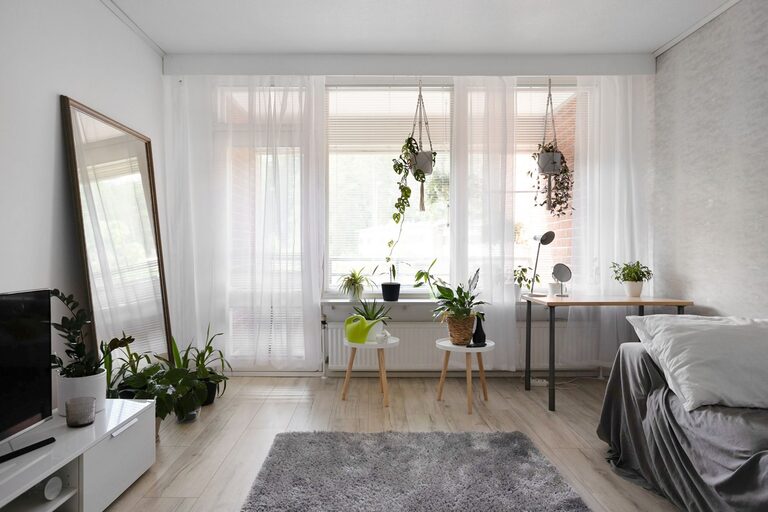
A dark room can feel cozy, but it may also seem smaller, duller, or less welcoming than you would like. Fortunately, you do not need a major renovation to make the space feel brighter. A few thoughtful changes to lighting, color, furniture, and accessories can make a noticeable difference.
Whether you are working with a room that has small windows, limited natural light, or dark finishes, these simple ideas can help create a lighter and more comfortable space.
Start With the Lighting
The right lighting is one of the fastest ways to brighten a dark room. Instead of relying on one ceiling fixture, use several light sources at different heights. This creates a more even glow and reduces dark corners.
Layer the light
Try combining these three types of lighting:
– Ambient lighting: General light from ceiling fixtures, chandeliers, or recessed lights
– Task lighting: Focused light from desk lamps, reading lamps, or under-cabinet fixtures
– Accent lighting: Decorative light from wall sconces, picture lights, or small lamps
A floor lamp in a dark corner can fill an unused area with light. A table lamp placed near a sofa or bed adds both function and warmth. If possible, choose fixtures with adjustable shades so you can direct light toward walls or ceilings.
Choose the right bulbs
Light bulb color can affect how bright and welcoming a room feels. Bulbs labeled warm white create a cozy atmosphere, while soft white bulbs usually provide a balanced look for living rooms, bedrooms, and hallways.
For areas where you want a fresher, brighter appearance, consider bulbs with a neutral white tone. Always check the bulb packaging for brightness, measured in lumens. A higher lumen rating generally provides more light, but the best choice depends on the size and purpose of the room.
Use Light Colors on the Walls
Paint is one of the most effective ways to change the appearance of a dark room. Light shades reflect more light than deep colors, helping the space feel more open.
Good options include:
– Warm white
– Soft cream
– Pale gray
– Light beige
– Muted blue
– Gentle sage green
Pure white can look bright, but it may feel cold in a room with little natural light. A warm white or creamy neutral often creates a softer result.
Before painting the entire room, test a few samples on different walls. Color can look different depending on the time of day and the type of artificial lighting in the space.
Consider the ceiling and trim
Painting the ceiling a light color can make it appear higher and help reflect light throughout the room. Light-colored trim around doors and windows can also create clean visual edges.
If the walls are already dark and you do not want to repaint, consider using light artwork, curtains, rugs, and furniture to balance the existing color.
Add Mirrors Strategically
Mirrors can make a room feel larger and brighter by reflecting light. Place a mirror across from or beside a window to bounce natural light around the space.
You can also use a mirror opposite a lamp or wall light to increase the effect of artificial lighting. A large, simple mirror can become a useful focal point, while a group of smaller mirrors can add personality.
For the best result, avoid placing mirrors where they reflect clutter or an unattractive view. The reflection should contribute to the room’s appearance rather than make it feel busier.
Keep Windows Open and Unobstructed
Heavy curtains, large furniture, and crowded window sills can block valuable natural light. Keep the area around windows as open as possible.
Try lighter window treatments
Replace thick, dark curtains with:
– Sheer panels
– Light cotton curtains
– Linen-style fabric
– Simple roller shades
– Adjustable blinds
You can still use blackout curtains in a bedroom if needed. Choose a lighter outer layer or install the curtains so they can be pulled fully to the sides during the day.
Clean windows can also make a small difference. Dust and fingerprints reduce the amount of light entering the room, so regular cleaning is a simple part of keeping the space bright.
Choose Light and Reflective Materials
Furniture and accessories with light finishes can help reflect light and reduce the visual weight of a room. Look for pale wood, glass, metal, light upholstery, and smooth surfaces.
A glass coffee table, for example, can provide useful surface space without making the center of the room feel heavy. A light-colored rug can brighten a dark floor, while cream or neutral cushions can soften a dark sofa.
You do not need to replace every piece of furniture. Start with one or two noticeable changes, such as a lighter area rug, a pale armchair, or a set of bright pillows.
Reduce Visual Clutter
A crowded room often looks darker because there are fewer open surfaces for light to reach. Removing unnecessary items can make the space feel brighter without adding anything new.
Begin by clearing:
– Overfilled shelves
– Unused furniture
– Items blocking windows
– Dark accessories that blend together
– Cords and objects gathered on the floor
Group similar items together and leave some open space between decorations. A few carefully chosen accessories usually have more impact than a large collection of small objects.
Use a Light-Colored Rug
Dark flooring can absorb light and make a room feel closed in. A light rug can visually break up the floor and create a brighter foundation.
Choose a rug in a soft neutral, subtle pattern, or pale color that works with the rest of the room. If the room already contains several patterns, a solid rug may create a calmer appearance. In a simple room, a gentle pattern can add interest without making the space feel busy.
Make sure the rug is large enough to connect the main furniture pieces. A properly sized rug can make the room feel more organized as well as brighter.
Rearrange the Furniture
Furniture placement can affect how much light moves through a room. Avoid positioning tall bookcases, cabinets, or sofas directly in front of windows.
Try arranging furniture so that:
– Windows remain visible from the main entrance
– Walkways stay open
– Tall pieces sit against solid walls
– Seating faces the room instead of blocking light
– Dark corners are used for lamps or bright accessories
Pulling furniture slightly away from the walls can sometimes improve the flow of the room. Even a small rearrangement may make the space feel more open.
Add Greenery Carefully
Plants can bring life and color to a dark room, but choose varieties that suit the available light. If the room receives very little natural light, select plants known to tolerate lower-light conditions or use realistic artificial plants.
Place greenery near a window, on a shelf, or beside a light-colored piece of furniture. Avoid filling every corner, since too many plants can make the room feel crowded.
Finish With Small Bright Accents
Small decorative changes can complete the look. Consider adding:
– Light-colored artwork
– Metallic picture frames
– Pale throw blankets
– Bright ceramic pieces
– Decorative glass objects
– Cushions in soft yellow, blue, or green
Reflective accents such as brushed metal or glass can catch light and add subtle brightness. Use them sparingly so the room remains relaxed rather than overly shiny.
Create a Brighter Room in Stages
You do not have to complete every project at once. Begin with the changes that offer the biggest improvement for the least effort:
- Open and clean the windows.
- Add a lamp to the darkest corner.
- Move furniture away from windows.
- Introduce a mirror.
- Add a light rug or a few pale accessories.
- Consider repainting if the room still feels too dark.
With a few simple adjustments, even a low-light room can feel more open, comfortable, and inviting. Focus on spreading light around the space, reducing visual weight, and choosing colors and materials that reflect brightness.