

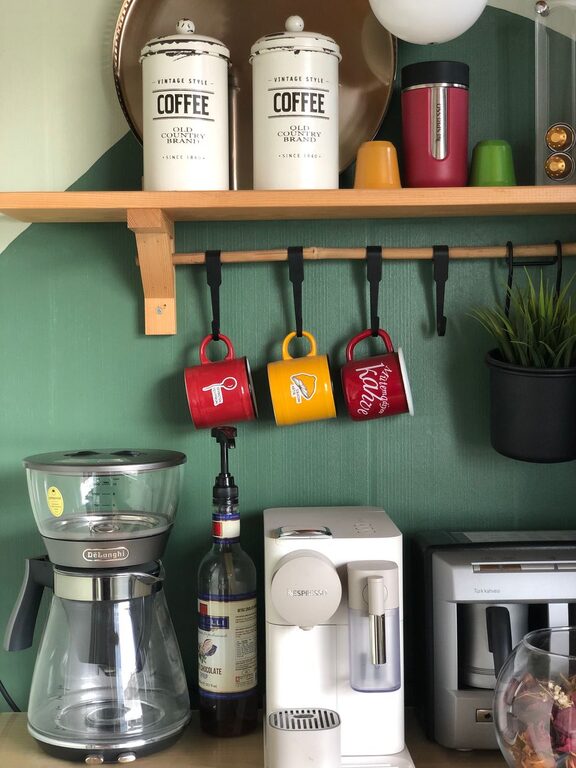
A coffee station can turn an everyday routine into a more enjoyable part of your morning. Whether you prefer pour-over coffee, espresso, cold brew, or a simple drip machine, a dedicated setup keeps your supplies organized and makes brewing easier.
You do not need a large kitchen or an expensive renovation to create one. With a little planning, a small counter, shelf, cart, or cabinet can become a useful coffee station that fits your space and style.
Choose the Right Location
Start by choosing a convenient place for your coffee station. The best location depends on how you use your kitchen and which appliances you plan to include.
A countertop area is often the simplest option because it provides a stable surface and easy access to power. If counter space is limited, consider a bar cart, sideboard, open shelf, or a section of a pantry.
Look for a location that is:
– Close to an electrical outlet
– Near a water source
– Easy to reach in the morning
– Away from areas that become crowded during meal preparation
– Large enough for your coffee maker and basic supplies
If you use a plumbed-in espresso machine or a larger appliance, choose a location carefully. Make sure there is enough room for ventilation, cleaning, and access to the water tank or power switch.
Decide What You Actually Need
Before buying storage containers or accessories, think about your coffee habits. A coffee station should support the drinks you make most often rather than hold every possible gadget.
For a basic setup, you may need:
– Coffee maker, French press, or pour-over brewer
– Coffee beans or ground coffee
– Mugs
– Kettle, if needed
– Spoons or a coffee scoop
– Filters
– Sugar, sweetener, or milk
– A small tray for organizing supplies
If you enjoy espresso, you might also need a grinder, tamper, knock box, and small cups. For cold brew, include a brewing jar, strainer, and space in the refrigerator.
Start with the essentials and add items over time. This approach keeps your station tidy and prevents you from spending money on tools you rarely use.
Create a Functional Layout
A good coffee station should make the brewing process feel natural. Arrange items according to the order in which you use them.
For example, place coffee and filters near the coffee maker. Keep mugs on the same surface or on a nearby shelf. Store spoons, scoops, and sweeteners in a small container within easy reach.
Think about three simple zones:
Brewing Zone
This is the main area for your coffee maker, kettle, grinder, or brewing equipment. Leave enough space to operate the appliance safely and to move a mug in and out without bumping nearby items.
Serving Zone
Place mugs, stirrers, napkins, and sweeteners here. A tray can help keep small items together and protect the surface from drips.
Storage Zone
Use shelves, drawers, baskets, or containers for extra coffee, filters, tea, and backup supplies. Items used daily should be easy to reach, while extras can be stored farther away.
Use Storage to Reduce Clutter
Coffee supplies can quickly spread across a counter, especially when several people use the station. Simple storage solutions can keep everything in order.
A few practical ideas include:
– Use a small basket for coffee bags and filters
– Store mugs on hooks beneath a shelf
– Place sugar packets or stirrers in divided containers
– Use airtight containers for coffee beans or grounds
– Keep cleaning supplies in a labeled bin nearby
– Add a narrow drawer organizer for scoops and spoons
Choose containers that protect coffee from heat, light, air, and moisture. Opaque, airtight containers are especially useful for beans and grounds. If you transfer coffee to a container, include the roast date or purchase date so you can use older coffee first.
Avoid storing coffee directly above a hot appliance. Heat can affect freshness and may damage some materials over time.
Add a Tray for a Neat Appearance
A tray is one of the easiest ways to make a coffee station look organized. It creates a clear boundary for the setup and makes it easier to move several items at once.
Choose a tray that is large enough for your coffee maker or serving supplies but not so large that it overwhelms the space. Wood, metal, ceramic, and woven trays can all work well.
A tray is also helpful for catching small spills. However, it should not replace regular cleaning. Wipe up moisture quickly, especially around electrical appliances.
Make Room for Mugs
Mugs are both practical and decorative, so they often become the main visual feature of a coffee station. Store them in a way that keeps them accessible without crowding the counter.
If you have open shelving, arrange a few favorite mugs in a neat row. For a smaller setup, use hooks underneath a shelf or cabinet. A mug tree can work well if you have enough vertical space.
Try to keep only the mugs you use regularly at the station. Store seasonal, oversized, or rarely used mugs elsewhere to maintain a clean appearance.
Add Personal Style
Your coffee station should feel like part of your home rather than a collection of appliances. Small decorative touches can make the area more welcoming.
Consider adding:
– A framed print or small piece of art
– A plant that suits the available light
– A decorative canister
– A small bowl for sugar packets
– A seasonal towel
– A chalkboard or simple sign
– A wooden or ceramic spoon
Keep decorations away from heat, steam, and water. Avoid placing anything fragile where it could be knocked over while preparing a drink.
You can also coordinate the station with your kitchen by matching colors, materials, or finishes. For example, wood accents can warm up a modern space, while clear containers may suit a minimalist kitchen.
Plan for Cleaning and Maintenance
A clean coffee station is easier and more pleasant to use. Include maintenance in your setup from the beginning.
Wipe the counter and appliance surfaces regularly. Empty coffee grounds promptly, rinse reusable filters, and wash mugs and accessories frequently. Follow the appliance manufacturer’s instructions for descaling and deep cleaning.
Keep a small cloth or towel nearby for spills. If your coffee maker has a removable water tank or drip tray, clean those parts on a regular schedule. Check stored coffee supplies occasionally and discard anything that has lost its freshness or quality.
It also helps to review the station every few weeks. Remove empty containers, misplaced items, and accessories you no longer use.
Work With a Small Space
Even a narrow area can function as a coffee station. Use vertical storage, compact appliances, and multi-purpose accessories to make the most of limited room.
A wall-mounted shelf can hold mugs and coffee containers above a small brewer. A rolling cart can provide storage without permanently taking up counter space. You can also place the setup inside a cabinet and close the doors when the station is not in use.
For very small kitchens, focus on a simple arrangement: one brewer, a few mugs, one coffee container, and a small tray for serving supplies. An uncluttered setup is often more useful than a crowded one.
Final Tips for a Better Coffee Station
Before completing your setup, consider these practical tips:
– Measure the available space before buying equipment
– Leave room to open appliance lids and remove water tanks
– Keep cords neat and away from wet areas
– Store frequently used items at the front
– Choose containers that are easy to clean
– Avoid overcrowding the counter
– Refresh the setup as your coffee preferences change
The best coffee station is one that fits your daily routine. It does not need to be large, expensive, or perfectly styled. With a convenient location, thoughtful storage, and a few personal touches, you can create a coffee station that makes brewing at home simple, organized, and enjoyable.