

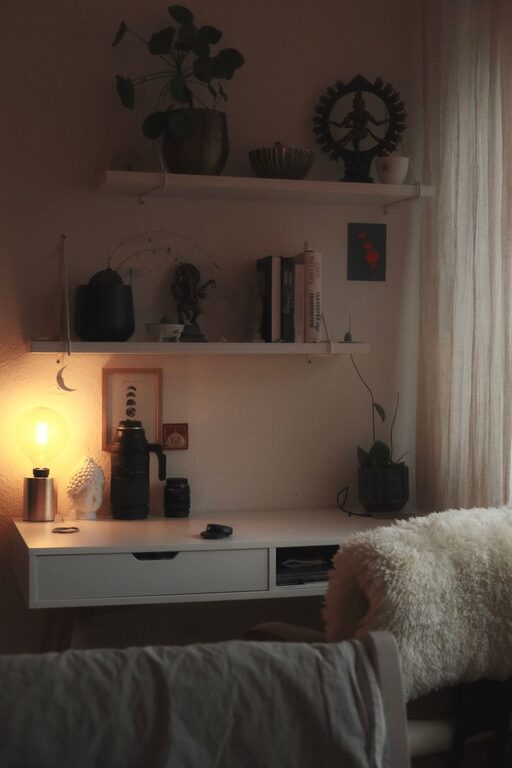
A home workspace should help you feel focused without feeling tense. Whether you work from home full time, manage household tasks, or need a quiet place for occasional projects, your surroundings can shape how you use the space.
Creating a relaxing workspace does not require a large room or an expensive makeover. Small changes to lighting, furniture, storage, color, and daily routines can make your work area feel more comfortable and inviting.
Choose the Right Location
Start by selecting the best available spot in your home. A separate room is helpful, but it is not essential. A quiet corner of a bedroom, living room, hallway, or dining area can work well when arranged thoughtfully.
Look for a location that offers:
– Enough room for your desk and chair
– Access to natural light, if possible
– A comfortable temperature
– Limited foot traffic and noise
– Nearby outlets for your equipment
– A background that feels calm and uncluttered
If your workspace is in a shared room, use a small shelf, room divider, or area rug to visually separate it from the rest of the space. This can make the area feel more intentional without requiring a permanent renovation.
Select a Comfortable Desk and Chair
Comfort is one of the most important parts of a relaxing workspace. A desk should provide enough room for your computer, notebook, lighting, and any other items you use regularly. Avoid choosing a surface that is so small that everything feels crowded.
When selecting a chair, look for one that supports an upright, comfortable posture. Your feet should rest flat on the floor, and your shoulders should feel relaxed while you work. If needed, add a footrest or a firm cushion to improve comfort.
Consider these simple setup details:
– Keep the top of your screen near eye level
– Place frequently used items within easy reach
– Leave space for your arms while typing
– Avoid placing your desk directly against a busy walkway
– Use a monitor stand or books to adjust screen height
A comfortable setup helps reduce the need to shift constantly or work in awkward positions.
Use Soft, Balanced Lighting
Lighting can dramatically change the mood of a workspace. Harsh overhead lights may make the room feel unpleasant, while poor lighting can make the area look gloomy. Aim for a mix of natural and artificial light.
Place your desk near a window if possible, but avoid positioning the screen where direct sunlight creates glare. Side lighting is often a good option because it brightens the space without shining directly onto the screen.
For evening work, add a desk lamp with a warm, comfortable glow. A lamp with an adjustable arm can help direct light where you need it. You can also use a floor lamp or small accent light to make the room feel more layered and welcoming.
Keep lighting flexible so you can adjust it throughout the day. Open curtains in the morning, soften the light later in the afternoon, and use a focused lamp when working after dark.
Keep the Color Palette Calm
Color has a strong effect on the overall feel of a room. Soft neutrals, muted greens, gentle blues, warm whites, and natural wood tones can create a calm background for work.
You do not need to repaint the entire room. Add color through smaller details, such as:
– A desk mat
– Curtains or a window shade
– A small rug
– Wall art
– Storage boxes
– A cushion or throw
– A plant pot
Try to avoid filling the workspace with too many competing colors or patterns. A simple palette can make the area feel more organized and peaceful.
Add Natural Elements
Natural materials and greenery can make a workspace feel warmer and less industrial. A small houseplant, vase of flowers, wooden tray, or woven basket can add texture and visual interest.
Choose items that are easy to care for and suitable for the available light. If a live plant is not practical, dried flowers or a realistic artificial plant can provide a similar decorative effect.
Other natural touches include:
– A cork noticeboard
– A wooden pencil holder
– A stone or ceramic cup
– A woven basket for supplies
– Artwork featuring landscapes or botanical shapes
Keep these additions simple. The goal is to make the area feel pleasant, not crowded.
Create Simple Storage Systems
Clutter can make it difficult to settle into work. A relaxing workspace should have a clear home for the items you use often, as well as a way to put away things you do not need every day.
Use drawers, shelves, baskets, or small containers to group similar items. For example, keep writing tools in one container, cables in another, and documents in a file holder. If your desk has limited storage, use a nearby shelf or rolling cart.
A few practical storage ideas include:
– Use a tray for items that would otherwise spread across the desk
– Store extra supplies in labeled boxes
– Keep paperwork in one designated folder
– Hide cables with clips or a cable box
– Reserve one drawer for miscellaneous items
– Clear the desktop at the end of each workday
Storage does not have to be highly detailed. The best system is one that is easy to maintain.
Reduce Visual and Digital Distractions
A peaceful workspace depends on more than physical design. The devices and notifications around you can also affect how calm the area feels.
Keep only the essentials on your desk. Store decorative items and supplies that you rarely use elsewhere. If your workspace is in a shared room, consider using headphones, a screen divider, or a simple visual barrier when you need more focus.
You can also make your computer feel less distracting by:
– Removing unused apps from the desktop
– Turning off nonessential notifications
– Organizing files into clear folders
– Using a simple background
– Keeping only necessary browser tabs open
These small adjustments can make it easier to begin tasks without feeling overwhelmed by unfinished digital clutter.
Add Personal Details
A relaxing workspace should feel like your own. Personal touches can make the area more inviting and give you a reason to enjoy spending time there.
Choose a few meaningful objects, such as a favorite photograph, a piece of artwork, a travel souvenir, or a small collection of books. You might also add a pleasant scent through a candle or diffuser, provided it is suitable for your household and workspace.
Be selective with personal items. A few thoughtful details usually create more impact than a crowded display.
Build a Calming Work Routine
Your workspace becomes more relaxing when paired with simple, consistent habits. Begin by preparing the area before you start. Fill a glass of water, adjust the lighting, and place the items you need within reach.
During the day, take short pauses to stand, stretch, look away from the screen, or tidy the surface. These breaks can help the workspace feel less demanding and prevent the area from becoming associated only with pressure.
At the end of your work session:
- Save and organize your files.
- Return supplies to their usual places.
- Clear unnecessary papers and cups.
- Wipe the desk if needed.
- Adjust the lighting for the rest of the evening.
This closing routine creates a clear boundary between work time and personal time.
Refresh the Space Regularly
Your needs may change over time, so review your workspace every few months. Ask yourself whether the chair is still comfortable, whether the lighting works at different times of day, and whether the storage system is still useful.
You do not need to make major changes. Moving the desk, replacing a lamp, adding a shelf, or removing unused items may be enough to improve the space.
A relaxing home workspace is built through practical choices rather than perfection. Focus on comfort, simplicity, and a layout that supports the way you work. With a few thoughtful adjustments, even a small corner can become a calm and welcoming place to focus.