

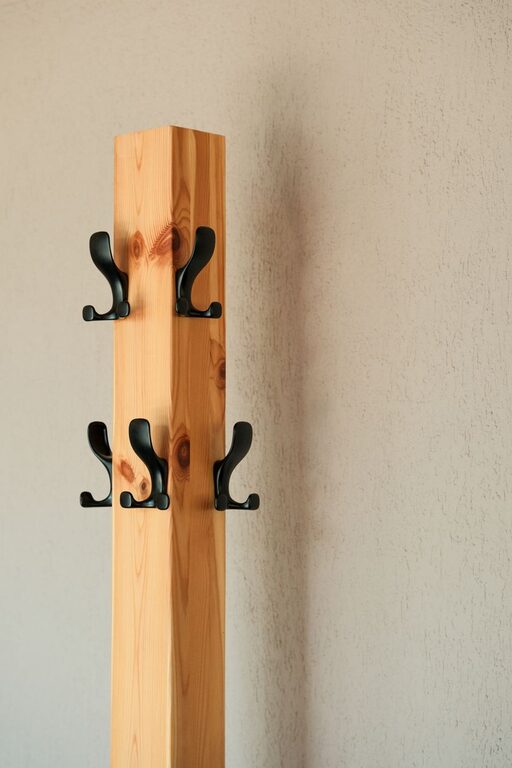
Your entryway is the first part of your home that you and your guests see. It is also where everyday items tend to collect: shoes, coats, bags, keys, mail, and seasonal accessories. Without a simple system, this small area can quickly become cluttered.
The good news is that organizing an entryway does not require a large budget or a complete room makeover. A few practical storage solutions and easy daily habits can make the space feel cleaner, calmer, and more useful.
Start by Clearing the Clutter
Before adding baskets, hooks, or shelves, remove everything from the entryway. Place items in groups so you can see what truly belongs there.
Sort items into these categories:
– Keep in the entryway
– Move to another room
– Donate or discard
– Store seasonally
– Repair or replace
Be realistic about what you need near the door. For example, you may use one or two pairs of shoes regularly, while the rest can stay in a bedroom closet. Keeping only frequently used items in the entryway makes the area easier to maintain.
Once the space is empty, wipe down the floor, walls, baseboards, and any existing furniture. Starting with a clean surface makes it easier to plan the next steps.
Give Every Item a Home
A well-organized entryway works best when each item has a designated place. This prevents belongings from being left on the floor or dropped on the nearest table.
Consider assigning specific storage areas for:
– Coats and jackets
– Shoes
– Bags and backpacks
– Keys and small accessories
– Mail and paperwork
– Umbrellas
– Hats, gloves, and scarves
Think about how your household enters and leaves the home. Items used every day should be easy to reach. Less frequently used belongings can go higher up, inside a cabinet, or in a nearby closet.
If several people use the entryway, create a small zone for each person. Individual hooks, baskets, or shelves can help everyone take responsibility for their own belongings.
Use Wall Space Wisely
Entryways are often narrow, so vertical storage can be more useful than bulky furniture. Wall-mounted solutions keep the floor open and make the room feel less crowded.
Useful options include:
Hooks
Install hooks for coats, bags, dog leashes, and hats. Choose sturdy hooks that can hold the items your household uses most often. If children use the entryway, place a few hooks at a lower height so they can hang up their own belongings.
Shelves
A narrow shelf can hold small baskets, decorative items, or a tray for keys. Shelves are especially useful when there is not enough room for a full console table.
Pegboards
A pegboard offers flexible storage because hooks and small shelves can be moved as your needs change. It can hold a variety of everyday items without taking up much space.
Before mounting anything, measure the wall and consider how much clearance is needed for doors and walkways.
Create a Shoe Storage System
Shoes are one of the biggest sources of entryway clutter. A simple storage system can keep them contained and make it easier to find the pair you need.
Choose a solution based on the size of your collection and the space available:
– A small shoe rack works well for a compact entryway.
– A storage bench can provide both seating and hidden storage.
– Stackable bins allow you to adjust the system over time.
– A slim cabinet keeps shoes out of sight.
– Open baskets are useful for slippers or frequently worn shoes.
Avoid keeping every pair of shoes by the door. Store special-occasion, seasonal, or rarely worn footwear elsewhere. You can also set a limit, such as one or two pairs per person in the entryway.
If you have young children, label baskets or use picture labels. This makes it easier for them to put shoes away without needing reminders.
Add a Drop Zone for Small Items
Keys, sunglasses, wallets, and headphones are easy to lose when they do not have a consistent home. A small drop zone near the door can solve this problem.
Try using:
– A shallow tray
– A small wall-mounted organizer
– A bowl for keys
– A set of labeled hooks
– A narrow drawer
Keep this area simple. If it becomes a place for receipts, coins, and unrelated objects, empty it regularly. A five-minute reset once or twice a week can keep the drop zone useful.
For households with several people, assign separate sections or containers. This reduces confusion and makes it easier to find small essentials before leaving home.
Manage Mail and Paperwork
Mail can quickly turn a tidy entryway into a cluttered one. Instead of placing every envelope on a table, create a basic sorting routine.
Use two containers or folders:
– To sort
– To act or file
Recycle junk mail as soon as you bring it inside. Keep important letters in the appropriate container until you have time to handle them. Avoid creating a large paper pile by setting a regular day to review and clear the mail.
If your entryway is small, use a wall-mounted file holder instead of a basket or box on the floor. Choose a simple design that fits the room and is easy to reach.
Make Use of Baskets and Bins
Baskets are a practical way to collect loose items while keeping the entryway looking neat. They work well for scarves, gloves, hats, reusable shopping bags, and pet accessories.
Use one basket for each category rather than placing everything in one large container. This makes items easier to find and prevents the basket from becoming a cluttered catchall.
For a polished look, choose baskets that are similar in color or material. If you prefer a more flexible system, use clear bins or open containers so their contents are easy to see.
Add a Seat When Possible
A seat can make an entryway more comfortable, especially when people need to remove or put on shoes. It can also provide valuable storage.
Consider a:
– Storage bench
– Small stool
– Narrow chair
– Wall-mounted folding seat
If you choose a bench, use the space underneath for shoes or baskets. Make sure the seating does not block the doorway or make the walking path difficult to use.
Keep the Floor Clear
A clear floor makes the entryway feel larger and is easier to clean. Whenever possible, keep shoes, bags, and packages off the floor.
A doormat can help protect flooring from dirt and moisture. In wet or snowy weather, place a washable tray near the door for damp shoes and boots. This keeps moisture contained and reduces the chance of tracking water through the home.
Check the floor at the end of each day. Returning stray items to their storage spaces takes only a few minutes but makes a noticeable difference.
Build a Simple Daily Routine
The best organizing system is one that is easy to follow. Create a short routine for leaving and returning home.
When entering the house:
- Hang up your coat.
- Put shoes in their assigned place.
- Place keys and small items in the drop zone.
- Sort or recycle mail.
- Put bags where they belong.
When leaving:
- Check the weather and gather needed accessories.
- Take only the shoes and bag you plan to use.
- Return anything that does not belong near the door.
Once these steps become habits, the entryway is less likely to become overwhelmed.
Review the Space by Season
Your entryway storage needs change throughout the year. In warm months, you may need space for hats, sandals, and outdoor gear. In colder months, coats, boots, gloves, and scarves require more room.
At the start of each season, remove items that are no longer needed and store them elsewhere. Check whether your hooks, baskets, and shoe storage still work for the current season.
A seasonal review also gives you a chance to repair damaged items, replace worn storage pieces, and remove belongings that are no longer useful.
An organized entryway does not need to be large or expensive. By reducing clutter, using vertical space, creating clear storage zones, and following a short daily routine, you can make this busy area easier to use. Start with one small improvement, such as adding hooks or clearing the floor, and build your system from there.